I have been doing local SEO for almost a decade now. And honestly, in all that time, I have never seen the landscape shift as fast as it is shifting right now.
When I started, local SEO was simple. Claim your Google Business Profile, get some citations, collect a few reviews, and you’re done. Clients were happy. Rankings came. Calls came.
That still works, but it is no longer enough.
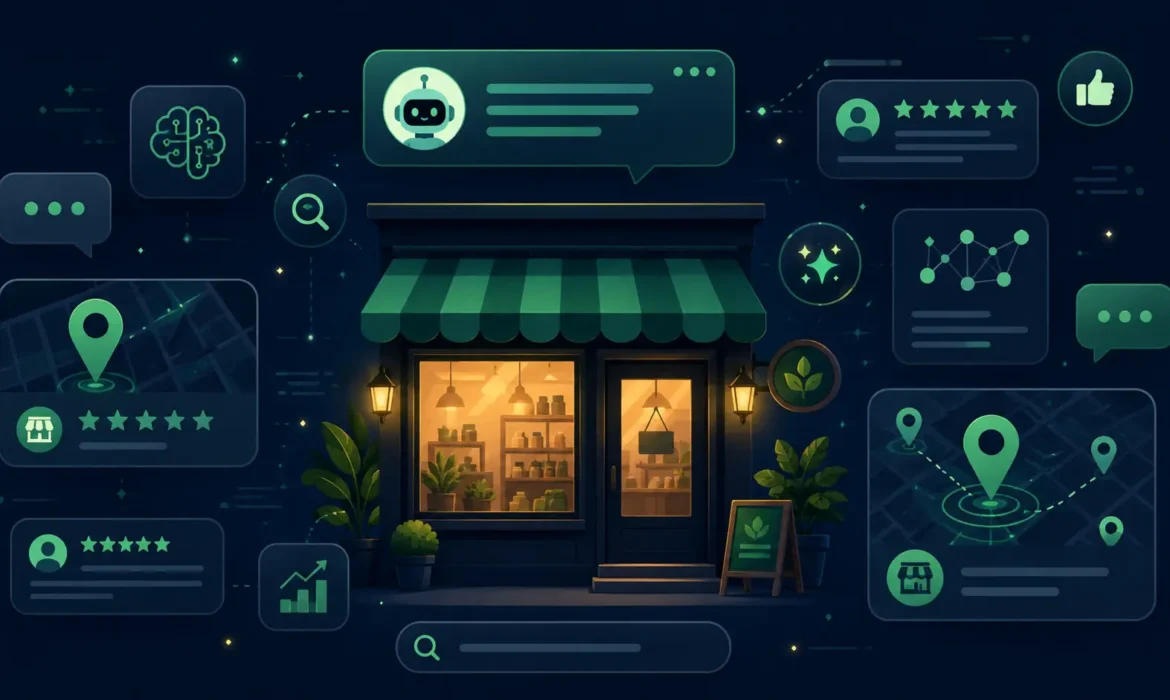
Today, your customers are not just typing into Google. They are asking ChatGPT, “Which plumber near me has the best reviews?” They are asking Gemini, “recommend a home builder in Melbourne.” They are using voice search, AI Overviews, and conversational tools to find local businesses before they ever open a map.
And here is the scary part: according to SOCi’s 2026 Local Visibility Index, which analysed over 350,000 business locations, only 1.2% of local businesses are being recommended by ChatGPT. Only 11% by Gemini. Only 7.4% by Perplexity.
Compare that to 35.9% showing up in Google’s local pack.
That gap is where the opportunity is. And that is exactly what this guide is about.
If you read my previous articles on Google AI Overviews and SEO, and why local SEO is the last safe zone from AI Overviews, this is the practical follow-up I promised. The step-by-step guide to actually doing the work.
Let’s get into it.
First, Understand What Has Actually Changed
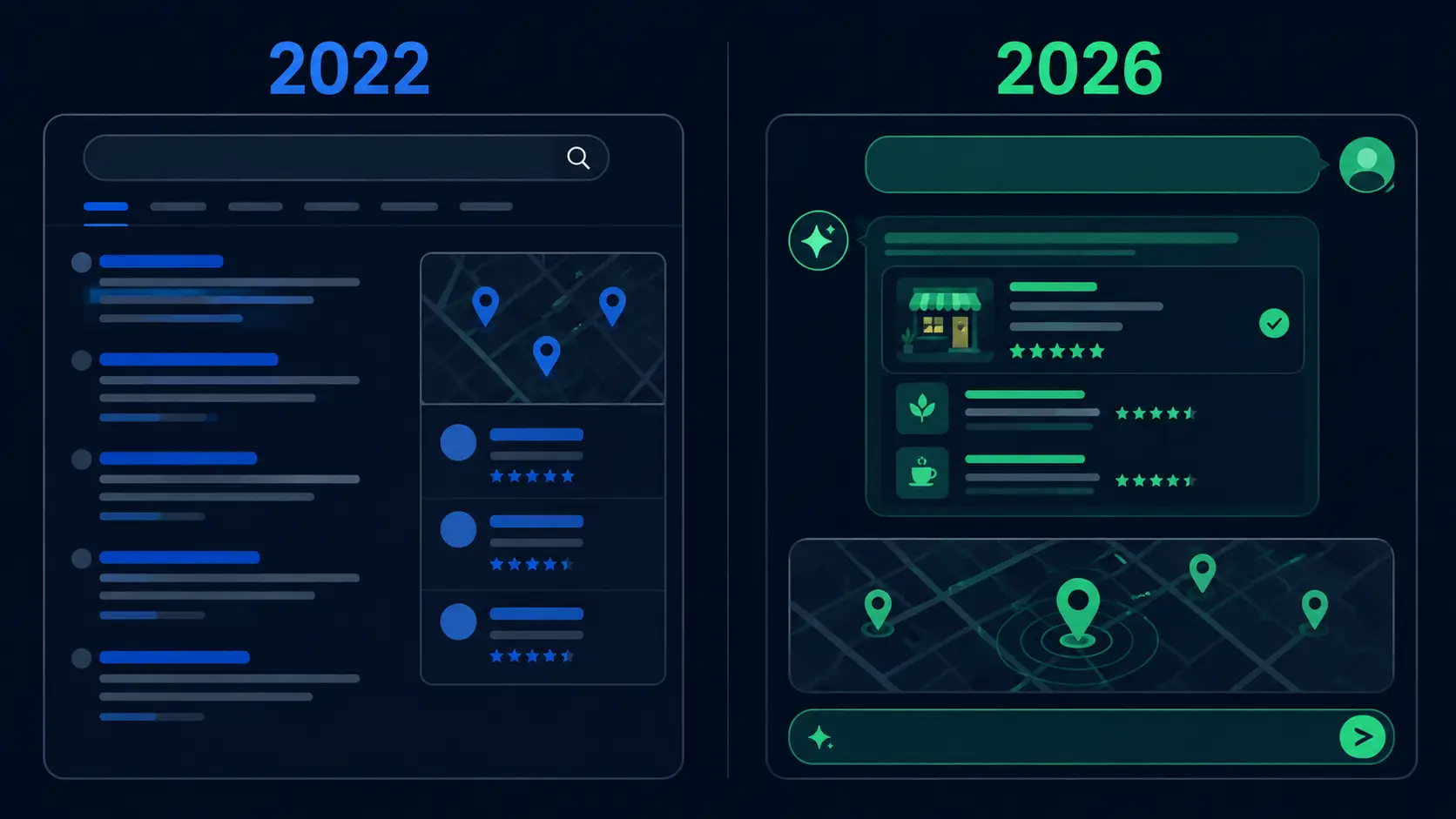
Before we talk about tactics, I want to make sure we are on the same page about what is different now versus two or three years ago.
Traditional local SEO was about signals, proximity, relevance, and prominence. Google looked at your GBP, your citations, your reviews, and your website, and decided whether to show you in the local pack.
That still happens. But now there is a second layer.
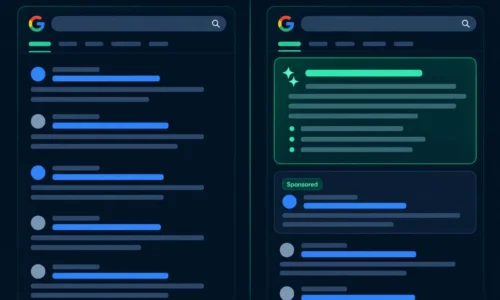
AI search engines, ChatGPT, Gemini, Perplexity, and Google’s own AI Overviews, are reading your entire digital footprint and deciding whether they trust your business enough to recommend it to a user who never even opened Google.
It is not just about ranking anymore. It is about being trustworthy enough for a machine to confidently put your name in front of someone.
That shift changes how we think about almost everything in local SEO. Not because the fundamentals are gone, they are not, but because the bar is higher now.
1. Optimize Your Google Business Profile for AI Search
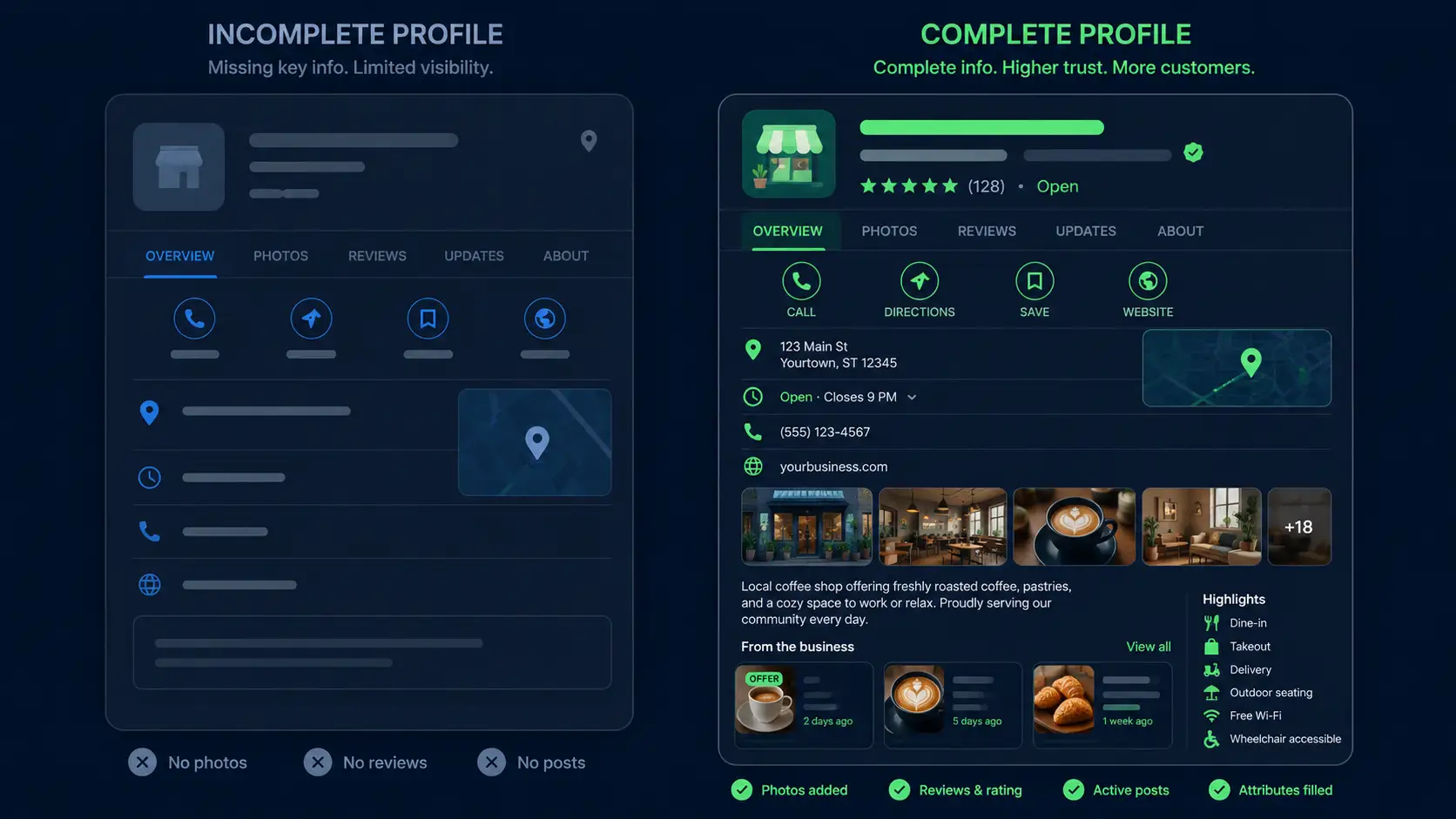
I tell every client the same thing: your GBP is your most valuable local SEO asset. That was true in 2018, and it is still true in 2026.
But how you manage it needs to change.
Most businesses set up their GBP once and forget about it. They fill in the basics, upload a couple of photos, and never touch it again. That was acceptable before. Now it is a problem.
AI systems, including Google’s own Gemini, pull directly from your GBP to generate recommendations and AI Overview summaries. If your profile is incomplete, outdated, or inconsistent, the AI simply skips you and recommends someone else.
What you need to do:
Fill out every single section. Business description, services, products, attributes, opening hours, holiday hours, everything. Do not leave anything blank. If Google gives you a field to fill, treat it as a ranking signal because it is.
Use your business description strategically. Write it in natural language that answers the questions your customers are asking. Not “we are a plumbing company based in Delhi” but “we help homeowners and businesses in Delhi fix leaking pipes, blocked drains, and bathroom fittings, same day service available.”
Post weekly updates. Google Posts are underused by almost every local business I have worked with. Regular posts signal to Google that your business is active. Share completed projects, seasonal offers, local news, tips, anything relevant. Once a week, minimum.
Add photos consistently. Not just once at setup. Real photos of your team, your work, your office, your customers (with permission). AI systems value fresh, authentic visual content.
Build a strong FAQ page on your website. Google removed the GBP Q&A section in late 2025 and replaced it with AI-powered answers called Ask Maps, which now pulls directly from your website content, reviews, and business description. This means your website’s FAQ page has become even more important; it is now one of the primary sources Google’s Gemini uses to answer customer questions about your business. Write it in natural, conversational language, cover the questions your customers actually ask, and keep it up to date.
2. NAP Consistency, The Boring Thing That Actually Matters
NAP stands for Name, Address, Phone Number. And getting it consistent across every platform online is one of the most boring but most important things in local SEO.
I have audited hundreds of local business listings over the years. Almost every single one has inconsistencies somewhere. A slightly different phone number on Justdial. An old address on Sulekha. A trading name on one directory and a legal name on another.
To a human, these look like small errors. To Google’s AI, these look like trust signals that do not add up.
AI systems cross-reference your business information across multiple sources before deciding whether to recommend you. Inconsistencies create doubt. Doubt means you get skipped.
What you need to do:
Audit your listings right now. Search your business name on Google and check every directory result that comes up. Make a list of everywhere you appear and what information is showing.
Then standardise everything. Same business name, same address format, same phone number, same website URL, across Google, Bing Places, Apple Maps, Justdial, Sulekha, IndiaMart, if relevant, and any industry-specific directories in your niche.
Use a tool like BrightLocal or Whitespark to manage this at scale if you have multiple locations. For single-location businesses, doing it manually works fine; it just takes a few hours.
3. Reviews Are Now Read, Not Just Counted
This is the one that surprises most of my clients when I explain it.
For years, the advice was simple: get more reviews, get a higher star rating. Five stars beat four stars. More reviews beat fewer reviews.
That is still somewhat true. But AI has changed what reviews actually do.
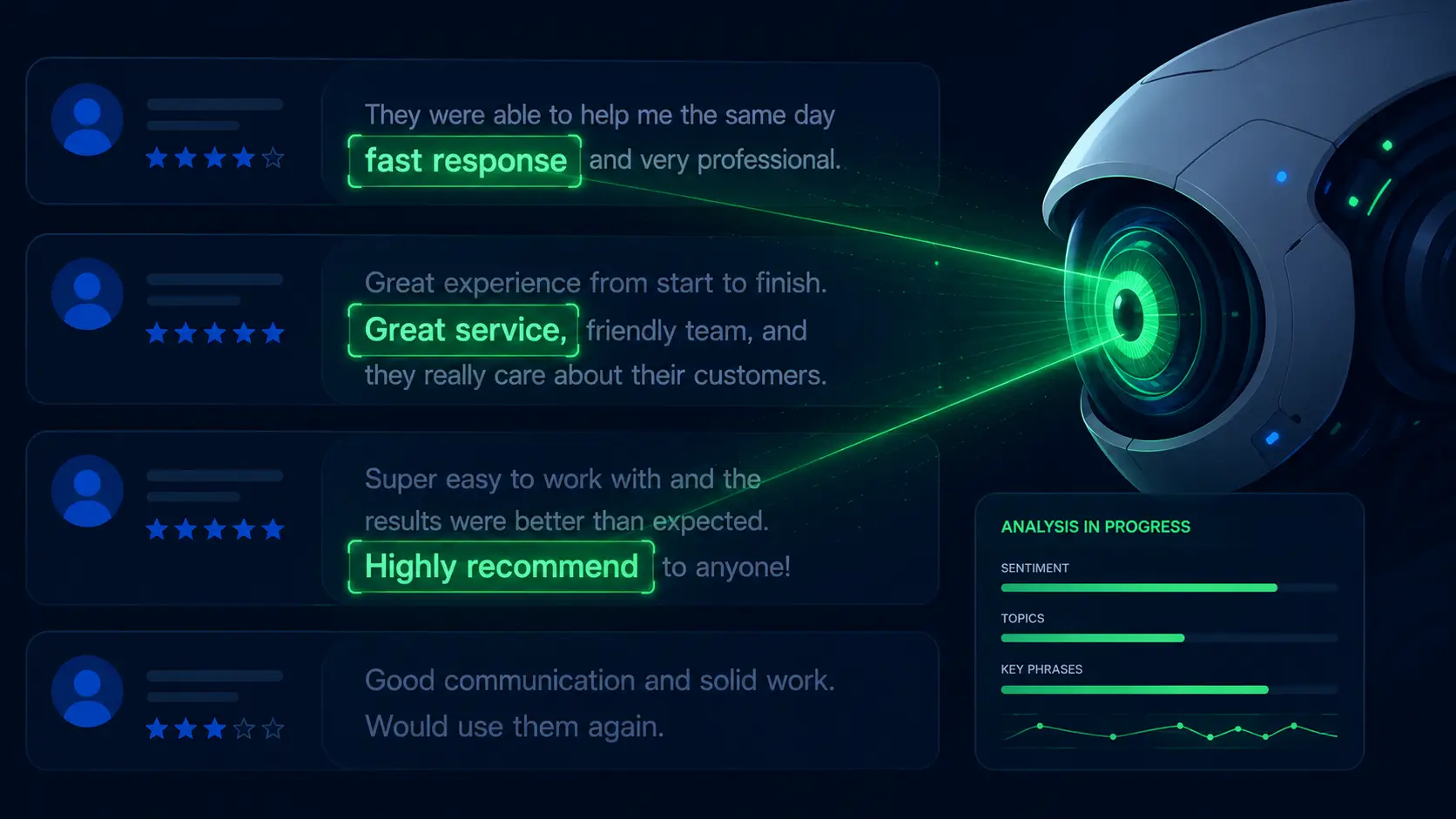
AI search engines do not just look at your star rating. They read the text of your reviews. They perform sentiment analysis, looking for recurring themes, specific service mentions, staff names, location references, and quality signals.
If multiple customers mention “fast response time”, AI associates that with your business. If they mention “Sawan was really helpful and explained everything clearly”, AI picks up on expertise and customer service. If they mention your specific location or service area, that strengthens your local relevance signal.
On the flip side, if reviews consistently mention “long wait times” or “didn’t show up on time”, AI picks that up too, and it works against you.
What you need to do:
Build a review collection process. After every completed job or positive client interaction, ask for a review. Make it easy, send a direct link to your Google review page via WhatsApp or SMS. Do not wait for people to find it themselves.
Ask for specific reviews. Instead of just saying “please leave us a review,” say, “If you can, mention what service we did for you and how it went; it really helps other customers.” Most people are happy to do this when prompted.
Respond to every review. Positive and negative. Responses show AI and real humans that your business is active, engaged, and accountable. For negative reviews, respond professionally and offer to resolve the issue. Never argue publicly.
Aim for consistency over volume. Ten reviews a month for six months is far more valuable than sixty reviews in one week. AI systems and Google both reward steady, ongoing review activity.
4. Your Website Still Matters, A Lot
I have worked with local businesses that thought having a great GBP was enough and did not need to invest in their website. That was never fully correct, and in 2026, it is even less correct.
AI systems do not just read your GBP. They crawl your website, read your content, check your structured data, and use all of that to understand what your business does, where it operates, and how trustworthy it is.
A weak website hurts your local SEO even if your GBP is strong.
Website content for local businesses:
Create dedicated service pages. Not one page called “Services” with a list of bullet points. Individual pages for each service you offer. “Kitchen renovation in South Delhi.” “Emergency plumbing services in Gurgaon.” “Home builder for residential projects in Melbourne’s eastern suburbs.”
Each page should answer the questions a potential customer would have: what the service includes, how it works, how long it takes, what it costs roughly, and why they should choose you. Write it the way you would explain it to someone sitting across from you.
Create location pages if you serve multiple areas. One page per location, with unique content for each, not copy-paste with the city name changed. Mention local landmarks, local context, and projects you have done in that area. AI can tell the difference between a genuine local page and a template.
Write blog content that answers local questions. Not just generic how-to guides, those are getting absorbed by AI Overviews. Write content that only someone with real local knowledge could write. “What permits do you need for a home renovation in Delhi NCR in 2026?” or “How much does kitchen tiling cost in Melbourne right now?” That kind of content is valuable because it is specific, local, and genuinely helpful.
5. Schema Markup, The Part Most Local Businesses Are Missing
If reviews are underused, schema markup is practically invisible among small local businesses. Almost nobody does it. Which means if you do it, you immediately stand out.
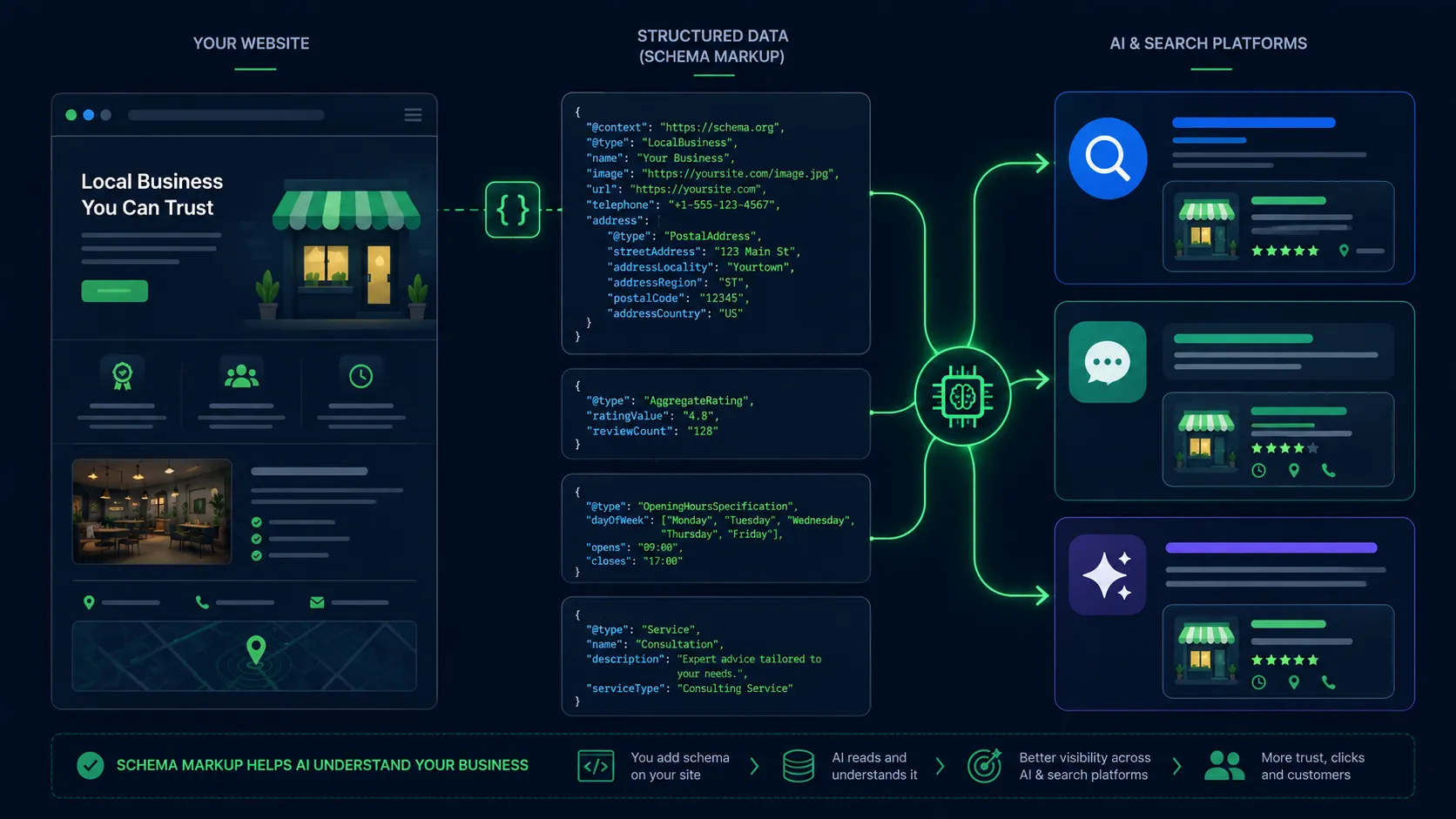
Schema markup is structured data code that you add to your website. It tells search engines and AI systems exactly what your business is, where it operates, what it offers, and how to contact you. In a format that machines can read instantly without having to interpret your content.
For local businesses, the most important schema types are the LocalBusiness schema, which covers your basic business information, the Service schema for each service you offer, the Review schema to highlight your ratings, and the FAQ schema for question-and-answer content on your pages.
You do not need to code this yourself. Tools like Rank Math or Yoast SEO (if you are on WordPress) can generate schema automatically. If you are not on WordPress, ask your developer to implement it; it is not a big job.
This is something I consider non-negotiable for local businesses in 2026. Google’s own John Mueller has encouraged structured data specifically in the context of AI search. It is the clearest signal you can send to an AI system about what your business is and what it does.
6. How to Show Up in ChatGPT, Gemini, and Perplexity
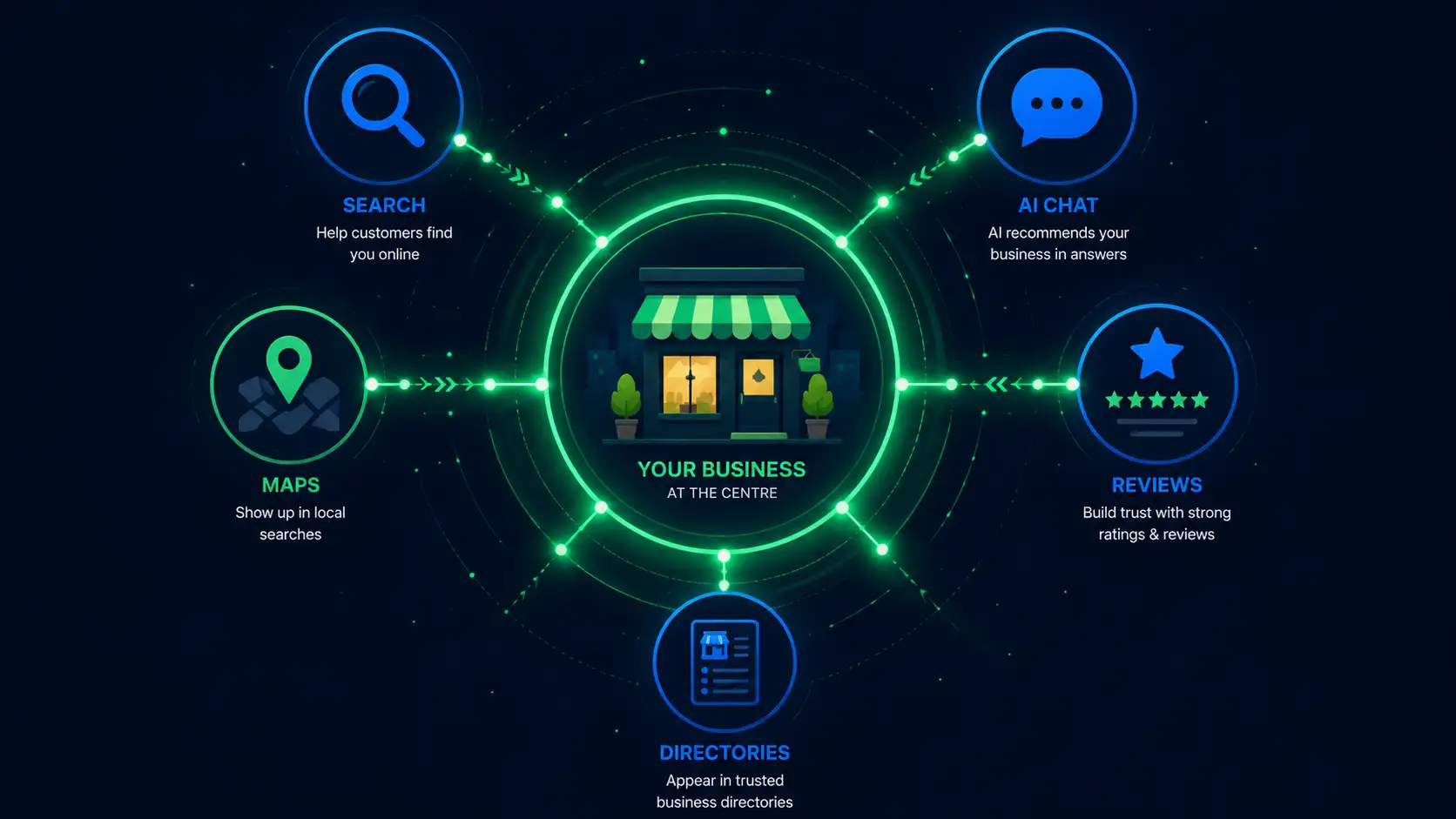
This is the part most local SEO guides are not covering yet, but it is where the next wave of local search is heading.
Remember that stat from earlier, only 1.2% of local businesses are being recommended by ChatGPT. That means getting in early is a massive advantage.
Here is what I have seen work for getting local businesses recommended by AI tools beyond Google:
Be mentioned on authoritative websites. ChatGPT, Gemini, and Perplexity train on and reference publicly available web content. If your business is mentioned on local news sites, industry publications, business directories, and trusted blogs, AI tools pick that up. A press release about a completed project. A feature in a local business magazine. A guest article on an industry site. These mentions build the kind of authority that AI models use to decide who to recommend.
Create content that directly answers conversational questions. When someone asks ChatGPT, “Who is the best home builder in Melbourne?” it is looking for content that directly answers that kind of question. Your website should have content that talks about your experience, your completed projects, your team, and your service areas, written in natural, conversational language.
Get listed on the platforms’ AI tools reference. Yelp, Trustpilot, Houzz (for home services), Clutch (for agencies), and similar vertical directories are heavily referenced by AI recommendation engines. Make sure your profiles on these platforms are complete and have genuine reviews.
Be consistent everywhere. AI tools cross-reference information across the web. If your business details are consistent across Google, your website, social media, directories, and third-party mentions, AI is more likely to trust and recommend you.
7. How to Write Local Content That AI Actually Uses
I touched on this earlier, but I want to go deeper because content strategy is where I see the biggest gap for most local businesses.
Most local business content is generic. “We are the best plumbers in Delhi. We offer high-quality plumbing services at affordable prices.” That tells AI nothing useful. It tells customers nothing useful either.
The content that gets picked up by AI, and that genuinely helps real customers, answers specific questions with specific answers.
The format that works best:
Write in a question-and-answer structure. Not literally as an FAQ every time, but your content should naturally raise and answer the questions your customers have. What does the service include? How long does it take? What should they expect? What does it cost?
Use natural language. Write the way you talk. I have been telling clients this for years, and it is more important now than ever. AI language models are trained on human conversation. Stiff, keyword-stuffed content does not resonate with them.
Include specific local details. Mention the areas you serve by name. Reference local context, local regulations, local pricing, and local market conditions. This is what separates genuinely local content from generic content with a city name dropped in.
Be specific with numbers and outcomes. “We completed a three-bedroom home renovation in South Delhi in six weeks” is more useful to AI and to customers than “we complete renovations efficiently.”
Update your content regularly. Fresh content performs better in AI-driven search. Go back and update your service pages and blog posts every few months with new information, new project examples, and current pricing guidance.
8. Tracking Your Local AI Visibility
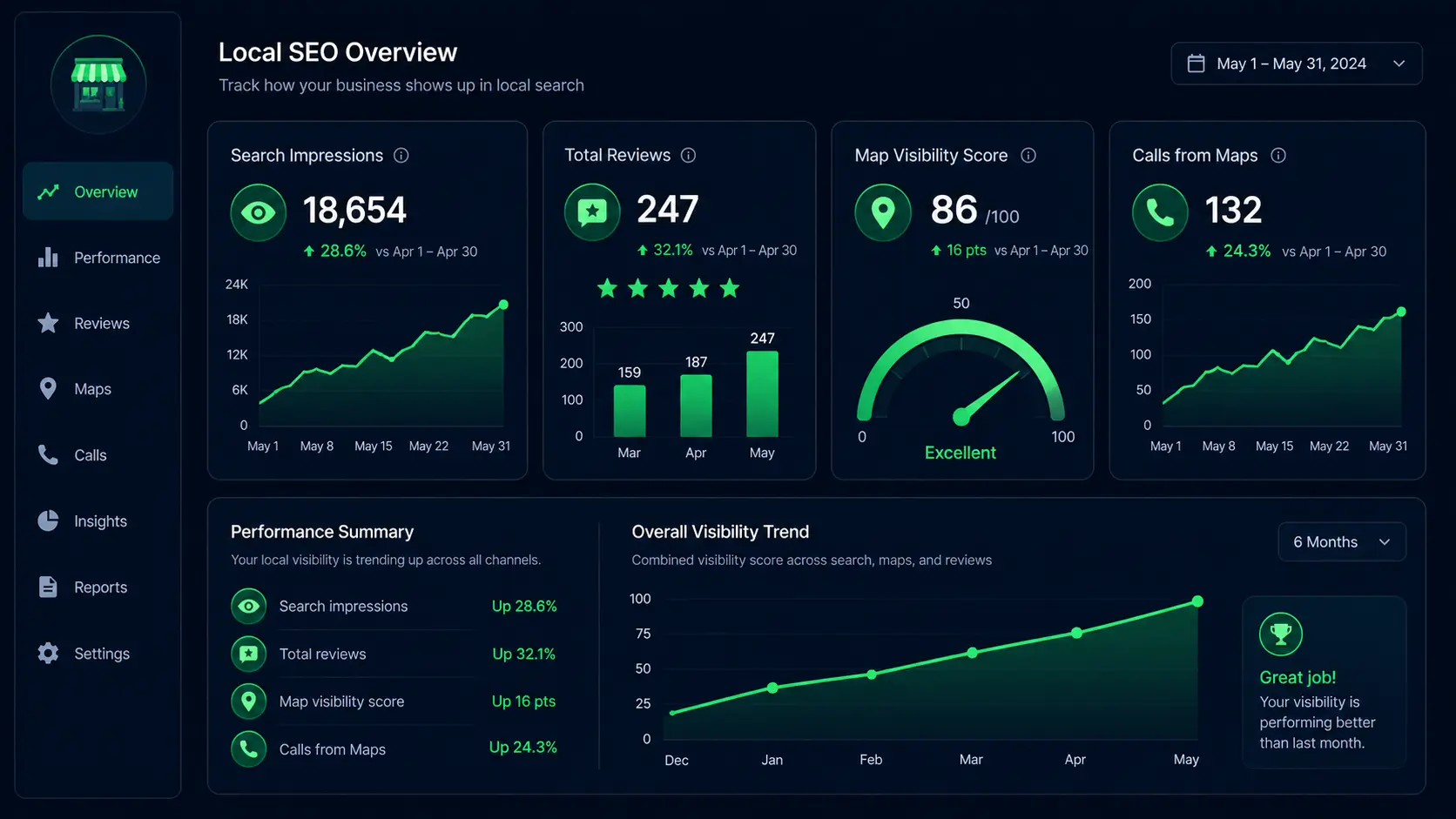
Most local businesses have no idea whether they are appearing in AI search results or not. This is a gap you should close as soon as possible.
How to check your AI visibility:
Search for your own business in ChatGPT and Gemini. Ask them directly, “recommend a [your service] in [your city]” and see if your business comes up. Do this regularly, not just once.
Monitor your GBP insights. Google shows you how many people found your business through search, how many requested directions, and how many called directly. Track these numbers month on month. A decline in calls or direction requests despite stable rankings can indicate AI is intercepting those searches.
Use Google Search Console to track impressions and clicks. If your impressions are holding steady but clicks are dropping, AI Overviews may be absorbing those visits. This helps you identify which pages need to be strengthened.
Track your review velocity. Are you consistently getting new reviews? If not, your AI visibility will stagnate. Set a monthly target and track against it.
The Honest Truth About Local SEO in 2026
I want to end this with something I tell every client who asks me whether local SEO is still worth investing in.
The fundamentals have not changed. Google Business Profile, consistent citations, genuine reviews, and helpful website content, these are still the building blocks. What has changed is the ceiling.
Businesses that do the basics well were competitive two years ago. Today, the basics get you into the game. To actually win, to show up in ChatGPT recommendations, to be cited in AI Overviews, to be the business Google’s AI confidently puts in front of a customer who is ready to hire someone, you need to go deeper.
The good news is that most local businesses are not doing this yet. The ones that start now have a real first-mover advantage.
And the next piece in this series is going to go even deeper, specifically on how to get your website cited by LLMs and AI Overviews. That is a topic that deserves its own full guide, and I am working on it.
To get that guide as soon as it goes live, subscribe to my email list here. You will also get my ongoing notes on what is working in local SEO and AI search, straight from client work, not from reading other people’s articles.
FAQs
How long does it take to see results from local SEO improvements? In my experience, basic improvements like completing your GBP and fixing citation inconsistencies can show results within four to six weeks. Content and review-building strategies typically take three to six months to show meaningful impact. AI visibility is slower; it builds as your overall authority grows.
Do I need a separate strategy for ChatGPT versus Google? Not entirely separate, but you need to think beyond just Google. The foundation, strong GBP, consistent citations, genuine reviews, and good website content help across all platforms. The additional layer for ChatGPT and Gemini is building mentions and authority on third-party platforms that AI tools reference.
Is local SEO different for service-area businesses versus physical storefronts? Yes, in a few important ways. If you go to customers rather than having them come to you, make sure your GBP is set up as a service-area business and that your service areas are clearly defined. Your content should focus on the areas you serve, not just your base location. AI tools pick up on service area signals when making recommendations.
How important is social media for local SEO and AI visibility? Social media does not directly impact local search rankings in the traditional sense. But active social profiles, especially Google Business Profile posts, which are essentially social posts, signal that your business is active. Some AI tools also reference social content when building their understanding of a business. I would not make it the centre of your strategy, but do not ignore it either.
Should I be optimising for voice search specifically? Voice search and AI search are converging. The same principles apply: conversational content, question-and-answer format, and specific local details. If your content answers the kinds of questions someone would naturally speak out loud, you are already optimising for voice search without needing a separate strategy.